
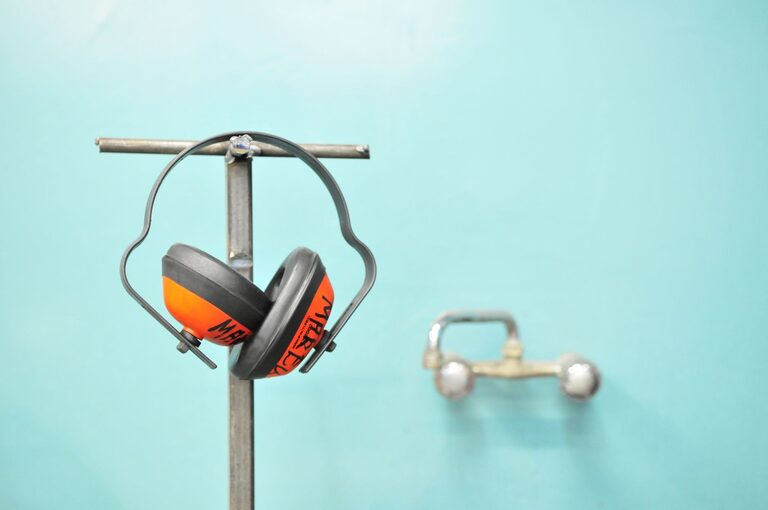
Living in a noisy environment can affect your comfort, concentration, and overall well-being. Whether it’s traffic sounds, loud neighbors, or household noise, reducing unwanted sound can make your home a much more peaceful place. Fortunately, you don’t always need expensive renovations or professional help. There are many simple and practical ways to reduce noise at home. This post will guide you through effective strategies to create a quieter, more relaxing living space.
Understanding Noise Sources in Your Home
Before you start, it helps to identify where the noise is coming from. Common sources include:
– Traffic and street noise through windows or walls
– Loud conversations or televisions in adjacent rooms
– Appliances like dishwashers and washing machines
– Footsteps or movement in upstairs rooms
– Barking dogs or other outdoor noises
By pinpointing the main offenders, you can choose the best noise reduction methods for your situation.
Easy Ways to Reduce Noise Indoors
1. Use Soft Furnishings to Absorb Sound
Hard surfaces reflect sound, making rooms feel louder. Adding soft materials helps absorb noise:
– Rugs and Carpets: Lay down thick rugs, especially on hardwood or tile floors, to reduce footsteps and echo.
– Curtains: Use heavy, dense curtains to block sounds coming through windows and also reduce echo inside the room.
– Throw Pillows and Upholstered Furniture: These can dampen sound in living areas and bedrooms.
2. Seal Gaps and Cracks
Noise often leaks into your home through small openings. Check for:
– Cracks around window frames and door edges
– Gaps under doors
– Open vents or electrical outlets on exterior walls
You can seal these with weather stripping, door sweeps, or caulking. These inexpensive fixes prevent noise from sneaking in.
3. Rearrange Your Furniture
Strategically placing furniture can help block and absorb noise:
– Position bookcases or tall shelves against walls that face noisy streets. Filled shelves absorb sound better than empty ones.
– Place sofas or chairs on walls that transmit noise to act as additional buffers.
4. Use White Noise Machines or Fans
Sometimes reducing noise is about masking unwanted sounds rather than eliminating them:
– White noise machines produce a steady, neutral sound that helps drown out sudden noises.
– A fan or air purifier provides a gentle background hum that can be soothing and block distractions.
5. Limit Noisy Appliances During Quiet Hours
Try to avoid running dishwashers, laundry machines, or vacuum cleaners during times when you want peace. If necessary, choose appliances with quiet or eco modes.
Simple Soundproofing Tips for Major Noise Issues
If you’re facing more persistent or loud noise, consider these additional solutions:
1. Upgrade Windows
Old single-pane windows often let in a lot of noise. Options include:
– Installing double-pane or triple-pane windows that have better sound insulation
– Adding window inserts—an extra layer of glass or plastic mounted inside existing windows
2. Add Door Soundproofing
Doors are common weak points for noise:
– Use solid core doors instead of hollow ones, which block sound more effectively
– Attach soundproofing blankets or specialized door seals
3. Apply Acoustic Panels or Foam
In rooms where noise is a big problem, acoustic panels can absorb sound waves:
– Hang fabric-covered panels on walls
– Use foam tiles in home offices or media rooms to improve sound quality and reduce echoes
4. Install Carpeting or Flooring Underlay
Besides rugs, consider installing carpet or using special underlay beneath flooring to reduce impact noise from footsteps and vibrations.
Outdoor Noise Reduction Tips
Noise from outside your home can be just as disruptive. Here’s what you can do:
– Plant dense shrubs or trees near windows to serve as natural sound barriers
– Build a fence with sound-absorbing materials like wood or composite panels
– Use outdoor water features like fountains to create pleasant background sounds that mask street noise
Final Thoughts
Reducing noise at home doesn’t have to be complicated or costly. Simple changes like adding soft furnishings, sealing gaps, and rearranging furniture can make a big difference. If needed, more advanced solutions like window upgrades and acoustic panels are also available. By taking steps to minimize noise, you’ll enjoy a calmer, more comfortable home that supports relaxation, focus, and better sleep.
Try a few of these tips today to start transforming your living space into a quieter haven!
About the Author