
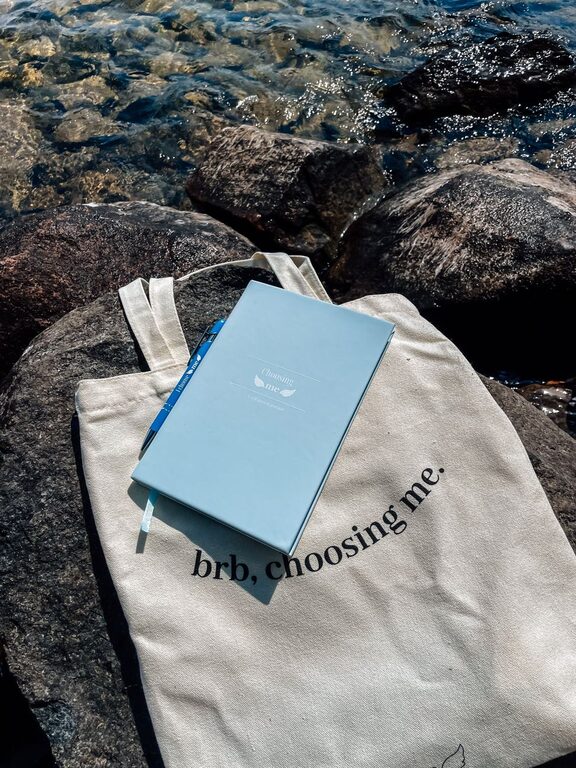
Choosing the right notebook can make a significant difference in how often you use it and how much you enjoy your writing or planning sessions. With so many options available, finding a notebook that suits your personal preferences and purpose might feel overwhelming. This guide will help you navigate the choices so you end up with a notebook you’ll actually use.
Why Choosing the Right Notebook Matters
A well-chosen notebook encourages regular use, helping you capture ideas, track goals, or simply organize daily life. On the other hand, a notebook that doesn’t match your needs might end up abandoned on a shelf. Before buying, consider what you want to achieve with your notebook and how it will fit into your routine.
Consider Your Purpose
Start by asking yourself what you primarily want to use the notebook for. Some common purposes include:
– Journaling: Recording daily thoughts, reflections, or gratitude.
– Note-taking: For school, meetings, or personal study.
– Planning: Organizing tasks, appointments, and goals.
– Creative work: Sketching, brainstorming, or writing stories.
– Business use: Keeping track of projects, ideas, or client notes.
Knowing the main purpose will guide your choice in size, paper type, and layout.
Size and Portability
Notebooks come in various sizes, from pocket-sized to large formats. The ideal size depends on where and how you plan to use it.
– Pocket-sized (A6 or smaller): Great for quick notes on the go; fits easily in a purse or pocket.
– Medium size (A5): Popular choice, balances portability with enough space for writing.
– Large size (A4 or larger): Best if you need extra room for sketches or detailed notes but less portable.
Consider how often you’ll carry your notebook. If you want to bring it everywhere, a smaller, lightweight option may be better.
Paper Quality and Type
Paper matters more than many realize. Good paper can improve your writing experience and prevent frustration.
– Thickness/weight: Measured in GSM (grams per square meter). Thicker paper (around 100 GSM or more) prevents ink from bleeding through.
– Texture: Smooth paper is easier for pen and pencil; rough paper might work better for markers or artists.
– Color: White is standard, but cream or off-white can be gentler on the eyes.
– Layout options: Ruled, dotted, grid, or blank pages. Choose according to your writing style or creative needs.
If possible, test the paper with your preferred pen or pencil to see how it feels.
Binding Styles
The way a notebook is bound affects durability and usability.
– Spiral-bound: Lies flat when open, great for note-taking, but pages can tear out.
– Sewn binding: Durable and lays flat over time; often found in high-quality notebooks.
– Glue-bound (perfect binding): Sleek appearance but usually doesn’t lay flat.
– Hardcover vs. Softcover: Hardcover protects the pages and can be easier to write on without a desk; softcover is lightweight and flexible.
Think about whether you want something to last long or a notebook that’s easy to carry and replace.
Additional Features to Look For
Some features can enhance your notebook experience:
– Page numbers and index: Helpful for organizing notes.
– Built-in bookmarks or ribbons: Easy to keep your place.
– Pockets: Useful for storing loose papers or stickers.
– Elastic band closure: Keeps everything secure.
– Perforated pages: Allows for clean page removal.
Decide which features matter most based on how you plan to use the notebook.
Design and Aesthetics
While functionality is key, a notebook that appeals to you visually can motivate regular use.
– Choose a cover design and color that inspires you.
– Consider personalization options like monograms or custom covers.
– Some people prefer minimalist styles, while others enjoy decorative covers or patterns.
The right look can make your notebook feel like a personal treasure.
Budget Considerations
Notebooks are available at various price points. Higher prices often reflect better paper quality or craftsmanship but don’t always guarantee a better fit for your needs.
– Set a budget beforehand.
– Keep in mind that specialized notebooks, such as planners or artist journals, may cost more.
– Don’t be afraid to try different notebooks before settling on your favorite.
Test Before You Commit
If possible, browse notebooks in stores or ask friends to recommend their favorites. Sometimes flipping through pages and holding a notebook makes it easier to decide.
Many brands offer sample pages or allow you to try writing in-store. This hands-on approach can help you avoid buying a notebook that ends up unused.
Tips to Encourage Regular Use
Once you have your notebook, here are some ways to make it a consistent part of your routine:
– Keep it somewhere accessible.
– Set small daily or weekly goals for writing or note-taking.
– Use colorful pens, stickers, or washi tape to personalize your pages.
– Treat your notebook as a creative outlet rather than a chore.
Remember, the best notebook is one that fits seamlessly into your life and supports your habits.
Final Thoughts
Choosing a notebook is a personal process that depends on your lifestyle, preferences, and the way you like to write or organize. By considering your purpose, size, paper, binding, and design preferences, you can find a notebook that feels right and inspires you to use it regularly. Take your time exploring options, and soon you’ll have a notebook that becomes a valuable companion in your daily routine.
About the Author